
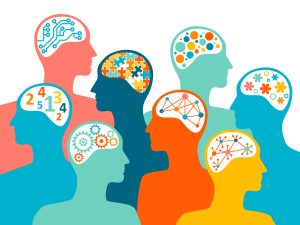
While ADHD (Attention-Deficit/Hyperactivity Disorder) and Autism Spectrum Disorder (ASD) were once considered mutually exclusive diagnoses, we now understand them as distinct but frequently overlapping neurodivergent conditions. Understanding the nuances between them is essential for providing the right support and fostering self-acceptance.
The Overlap: More Than Just a Coincidence
Statistically, ADHD and Autism share a significant amount of “real estate.” It is estimated that roughly 50% to 70% of individuals on the autism spectrum also present with ADHD symptoms. Both are neurodevelopmental conditions that affect the brain’s “executive functions”—the management system that helps us plan, focus, and regulate emotions.
Common Ground
-
Executive Dysfunction: Difficulty starting tasks, staying organized, or managing time.
-
Sensory Processing: Heightened sensitivity (or lack thereof) to lights, sounds, textures, or smells.
-
Social Challenges: Both may struggle with social cues, though often for different reasons.
-
Hyperfocus: An intense ability to focus on a specific interest for hours at a time.
Key Differences: The “Why” Behinid the Behavior
While the outward behavior might look similar, the internal motivation or “why” often differs between the two.
This can lead to a cycle of seeking out stimulation only to become quickly overwhelmed by sensory input. Recognizing this dual-nature is vital because strategies that work for ADHD (like “just try something new!”) might trigger an Autistic meltdown, and strategies for Autism (like a rigid schedule) might lead to ADHD burnout.
Moving Toward Neuro-Affirmation
In the past, these conditions were viewed purely through a lens of “deficits.” Today, the conversation is shifting toward neurodiversity. Whether someone is Autistic, has ADHD, or both, their brain isn’t “broken”—it’s simply wired differently.
Supporting the Neurodivergent Brain
-
Accommodations, not Cures: Focus on tools like noise-canceling headphones, fidget toys, or digital planners.
-
Validation: Acknowledging that a person’s struggle is real, even if it isn’t visible.
-
Strengths-Based Approach: Lean into the creativity of ADHD and the deep expertise and pattern-recognition of Autism.
Understanding the difference between ADHD and Autism isn’t about putting people in boxes; it’s about giving a map so they can explore a world that wasn’t necessarily built for them.